

Buying an excavator is a significant investment, and as a supplier, I know how crucial it is to make an informed decision. You don't want to end up with a machine that breaks down frequently or doesn't meet your work requirements. So, here's how you can inspect an excavator before buying.
Physical Inspection
First things first, take a good look at the excavator's physical condition. Walk around the machine and check for any visible damage, such as dents, scratches, or rust. Rust can be a sign of poor maintenance or water damage, which could lead to more significant problems down the road. Pay special attention to the undercarriage, as it takes a lot of wear and tear. Look for any signs of excessive wear on the tracks, rollers, and sprockets. If the tracks are too worn, they may need to be replaced soon, which can be a costly expense.
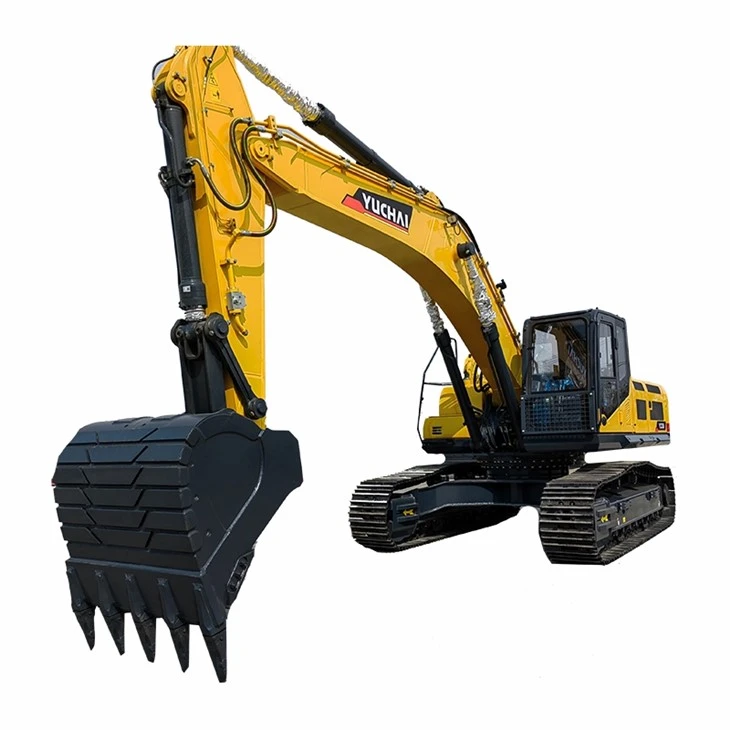
Check the boom, arm, and bucket for any cracks or signs of bending. These components are critical for the excavator's operation, and any damage could affect its performance. Make sure all the pins and bushings are in good condition and free of excessive play. Loose pins and bushings can cause the excavator to be less stable and may lead to premature wear on other parts.
Inspect the cab for any signs of damage or wear. Check the seats, controls, and dashboard for functionality. Make sure all the gauges are working correctly and that there are no warning lights on. A comfortable and functional cab is essential for long hours of operation.
Engine Inspection
The engine is the heart of the excavator, so it's crucial to give it a thorough inspection. Start by checking the engine oil level and its condition. If the oil is dirty or has a milky appearance, it could indicate a problem with the engine, such as a blown head gasket. Look for any signs of oil leaks around the engine block, oil filter, and valve cover.
Check the coolant level and its condition. The coolant should be clean and free of debris. A low coolant level could indicate a leak, and dirty coolant could lead to overheating or corrosion in the engine. Inspect the radiator for any signs of damage or blockage. A clogged radiator can cause the engine to overheat, which can lead to serious engine damage.
Listen to the engine while it's running. It should run smoothly without any strange noises, such as knocking, rattling, or hissing. Strange noises could indicate a problem with the engine's internal components, such as the pistons, valves, or bearings. If you're not familiar with engines, it might be a good idea to bring along a mechanic or someone with experience to help you with the engine inspection.

Hydraulic System Inspection
The hydraulic system is what allows the excavator to perform its digging and lifting functions. Check the hydraulic fluid level and its condition. The fluid should be clean and free of contaminants. Dirty hydraulic fluid can cause damage to the hydraulic pumps, valves, and cylinders. Look for any signs of hydraulic fluid leaks around the hoses, fittings, and cylinders. Leaks can not only lead to a loss of hydraulic pressure but can also be a safety hazard.
Operate the excavator's controls to test the hydraulic system. The boom, arm, and bucket should move smoothly and respond quickly to the controls. If there is a delay or a jerky movement, it could indicate a problem with the hydraulic system, such as a clogged filter or a faulty valve.
Electrical System Inspection
The electrical system is responsible for powering the excavator's lights, gauges, and other electrical components. Check the battery for any signs of corrosion or damage. The battery terminals should be clean and tight. A weak or dead battery can prevent the excavator from starting, and corroded terminals can cause electrical problems.
Test the lights, horn, and other electrical components to make sure they are working correctly. Check for any loose or frayed wires. Loose or frayed wires can cause electrical shorts, which can be a fire hazard.
Operational Test
Once you've completed the physical, engine, hydraulic, and electrical inspections, it's time to take the excavator for a test drive. Operate the machine in different conditions to see how it performs. Try digging, lifting, and moving materials to evaluate its power and efficiency. Pay attention to how the excavator handles different loads and terrains.
During the test drive, listen for any unusual noises or vibrations. Unusual noises or vibrations could indicate a problem with the machine's transmission, axles, or other components. If you notice any issues during the test drive, make sure to address them with the seller before making a purchase.
Documentation and History
Ask the seller for the excavator's documentation, including the maintenance records, service history, and any warranty information. The maintenance records can give you an idea of how well the excavator has been maintained. Regular maintenance is essential for the longevity and performance of the machine.
Check the service history to see if the excavator has had any major repairs or breakdowns in the past. If there have been significant repairs, find out what caused the problem and if it has been fully resolved. Warranty information can provide you with peace of mind in case something goes wrong with the excavator after you purchase it.
Our Excavator Offerings
At our company, we offer a wide range of high - quality excavators, including the Yuchai YC330 Excavator, the Yuchai U27 Mini Excavator, the Yuchai YC230 Excavator, the Yuchai YC60 Mini Excavator, and the Yuchai YC380 Excavator. All our excavators go through a rigorous inspection process to ensure they meet the highest standards of quality and performance.
If you're in the market for an excavator, don't hesitate to reach out for a more in - depth discussion. Our team of experts is here to help you find the perfect excavator for your needs. Contact us to start the procurement negotiation process and take the first step towards getting a reliable excavator for your construction projects.
References
- Construction Equipment Magazine. (2023). Guide to Inspecting Used Excavators.
- Machinery Trader. (2023). Tips for Buying an Excavator.