

As a medium truck supplier, I constantly get asked by customers about how to ensure the proper alignment of a medium truck's wheels. It's a crucial aspect of truck maintenance that can significantly impact the performance, safety, and longevity of the vehicle. In this blog post, I'll share some practical tips and insights based on my experience in the industry.
Why Wheel Alignment Matters
First off, let's talk about why wheel alignment is so important. When your medium truck's wheels are properly aligned, it ensures that all four (or more, depending on the truck's configuration) wheels are parallel to each other and perpendicular to the ground. This alignment helps the truck drive straight and true, without pulling to one side or the other. It also improves fuel efficiency because the tires roll smoothly, reducing rolling resistance.
On the flip side, misaligned wheels can lead to a host of problems. Uneven tire wear is one of the most common issues. When the wheels are out of alignment, the tires don't make even contact with the road surface. This causes some parts of the tires to wear down faster than others, which not only shortens the lifespan of the tires but can also affect the truck's handling and safety. Misaligned wheels can also put extra stress on the suspension system, leading to premature wear and potential damage over time.
Signs of Misaligned Wheels
So, how can you tell if your medium truck's wheels are out of alignment? There are a few telltale signs to look out for. One of the most obvious is if the truck pulls to one side while you're driving on a straight, flat road. If you have to constantly correct the steering to keep the truck going straight, that's a pretty good indication that the wheels are misaligned.
Another sign is uneven tire wear. Check the tread depth of your tires regularly. If you notice that the tread is worn down more on one side of the tire than the other, or if you see abnormal wear patterns like cupping or scalloping, it could be a sign of misaligned wheels. You might also feel vibrations in the steering wheel or the seat while driving, especially at higher speeds. This can be caused by the wheels not being properly aligned, which creates an imbalance as the tires rotate.
Regular Inspections
One of the best ways to ensure proper wheel alignment is to schedule regular inspections. I recommend having your medium truck's wheels checked at least once a year, or more frequently if you do a lot of heavy hauling or driving on rough roads. A professional mechanic can use specialized equipment to measure the alignment of your wheels and determine if any adjustments are needed.
During the inspection, the mechanic will check three main parameters: camber, caster, and toe. Camber refers to the vertical tilt of the wheels when viewed from the front of the truck. If the top of the wheel is tilted outward, it's called positive camber, and if it's tilted inward, it's called negative camber. The correct camber setting helps to distribute the weight of the truck evenly across the tires and improve handling.
Caster is the angle of the steering axis when viewed from the side of the truck. Positive caster provides stability and helps the steering wheel return to the center after a turn. Negative caster can make the steering feel loose and less responsive. The mechanic will adjust the caster angle to ensure that the truck steers smoothly and safely.
Toe refers to the angle of the wheels when viewed from above. If the front of the wheels is closer together than the rear, it's called toe-in. If the front of the wheels is farther apart than the rear, it's called toe-out. The correct toe setting helps to ensure that the tires roll straight and parallel to each other, reducing tire wear and improving fuel efficiency.
Professional Alignment Services
When it comes to actually aligning the wheels, I strongly recommend taking your medium truck to a professional alignment service. While there are some DIY alignment kits available on the market, aligning the wheels of a medium truck is a complex process that requires specialized equipment and expertise. A professional alignment service will have the necessary tools and knowledge to accurately measure and adjust the camber, caster, and toe settings of your truck's wheels.
Before the alignment begins, the technician will usually perform a pre-alignment inspection to check for any other issues that could affect the alignment, such as worn suspension components or loose steering parts. They'll also take note of any existing alignment settings and compare them to the manufacturer's specifications. Once the pre-alignment inspection is complete, the technician will use a computerized alignment machine to measure the current alignment of the wheels and make the necessary adjustments.
The alignment process typically involves adjusting the various suspension components, such as the tie rods and control arms, to bring the wheels back into proper alignment. The technician will use a combination of precision tools and computerized measurements to ensure that the alignment is within the manufacturer's specified tolerances. After the alignment is complete, the technician will perform a post-alignment inspection to verify that the wheels are properly aligned and that the truck drives straight and smoothly.
Other Factors to Consider
In addition to regular inspections and professional alignment services, there are a few other factors to consider when it comes to ensuring the proper alignment of your medium truck's wheels. One of the most important is to choose the right tires for your truck. Make sure you select tires that are the correct size and load rating for your vehicle, and that they are designed for the type of driving you do. Using the wrong tires can not only affect the alignment of your wheels but can also pose a safety risk.
Another factor to consider is the way you drive your truck. Aggressive driving, such as hard braking, rapid acceleration, and sharp turns, can put extra stress on the suspension system and cause the wheels to become misaligned over time. Try to drive your truck smoothly and avoid unnecessary rough handling. Also, be careful when driving over potholes, speed bumps, and other road hazards, as these can also cause the wheels to become misaligned.
Finally, it's important to keep your truck's suspension system in good condition. The suspension system plays a crucial role in maintaining the proper alignment of the wheels, so make sure you have it inspected regularly and replace any worn or damaged components as needed. This includes the shocks, struts, springs, and other suspension parts.
Conclusion
Ensuring the proper alignment of a medium truck's wheels is essential for the performance, safety, and longevity of the vehicle. By following these tips and having your wheels inspected and aligned regularly by a professional, you can help prevent uneven tire wear, improve fuel efficiency, and keep your truck driving smoothly and safely on the road.
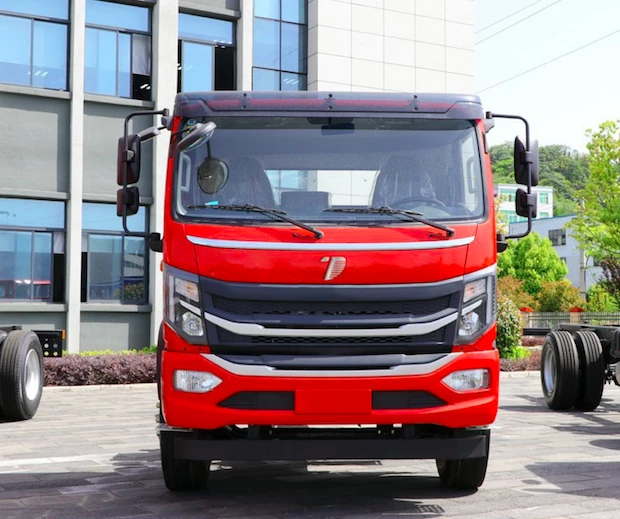
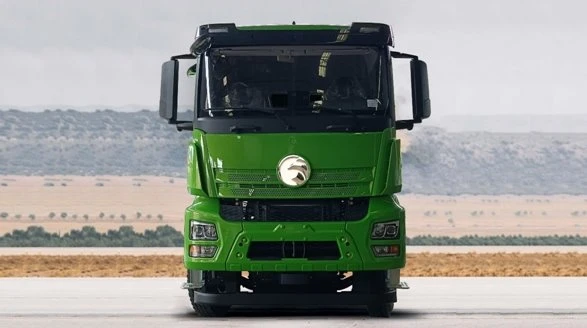
If you're in the market for a medium truck, be sure to check out our selection at Medium Truck. We also offer a range of other trucks, including Diesel Truck Chassis 6*4 For Dumper/Mixer, Diesel Light Truck Chassis, Micro Truck, and V7. If you have any questions or would like to discuss your specific needs, feel free to reach out to us for a consultation. We're here to help you find the perfect truck for your business.
References
- Automotive Maintenance and Light Repair, Fifth Edition by Thomas D. Gillespie
- Modern Truck Technology: Diesel Engines, Fifth Edition by James D. Halderman