

If you’ve ever stepped into a logging yard, tree farm, or sawmill and seen the big, tough machines swinging grapples, felling trees, or hauling heavy loads, you’ve probably wondered: how much does all that forestry gear even cost? As a forestry equipment supplier who’s been in this game for a few years, I can tell you there’s no one-size-fits-all price tag. The range is wide—like, from a few hundred bucks for a smaller tool to six figures for a full-sized, high-powered harvester. Let’s break this down so you know what to expect, whether you’re a small family-owned operation or a big commercial crew.
First, I need to mention that a lot of the cost depends on what you’re actually using. Do you need something to grab fallen limbs and sort logs? Or are you felling 100+ trees a day in a dense forest? Let’s start with the smaller, entry-level stuff because that’s where a lot of new forestry operators start.
Entry-level forestry equipment is usually for people just getting into the business, or for adding extra tools to a team that already has some gear. Think compact grapples, smaller skidders, or basic harvester heads that attach to an existing tractor or excavator. These are designed for lighter work—say, clearing a few acres of overgrown brush, moving small logs, or helping with roadside cleanup. You’re not going to use these for 10-hour commercial shifts, but they get the job done for side work or small-scale farming. The price here? Typically between $500 and $20,000. For example, if you need a grapple for a compact machine, options like the Yuchai Grapple FC90 fall right in this lower range— it’s made for smaller yards and light lifting, so it’s a solid pick if you don’t need heavy-duty power. That’s a good middle spot for entry-level gear: not too pricey, reliable enough for occasional use.
Next up is mid-range equipment. This is the sweet spot for a lot of small to medium forestry businesses. It’s built for daily use, has more durable parts, and handles heavier loads than entry-level gear. Mid-range stuff includes full-sized grapples, tree harvesters that can take on medium-diameter trees (around 12 to 20 inches), and skidders that can haul 10,000 to 20,000 pounds of logs. The cost here usually runs from $20,000 to $100,000. A lot of our regular customers love the Yuchai Grapple FC160 because it’s in this range— it’s powerful enough for daily logging, works well on medium-sized trees, and isn’t so expensive that it breaks the bank for a team that’s just turning a profit. Another mid-range option is the Yuchai YCF135S, which is a compact harvester that’s easy to maneuver in tight spaces like thick woods or smaller tree farms. It’s not as big as a full commercial harvester, but it’s perfect for crews that do local logging or take on projects in harder-to-reach areas. Mid-range gear is where you start to see real efficiency gains too— these machines cut down time per tree, so you make back the investment faster than with entry-level stuff that takes longer to get the job done.
Now let’s talk about the heavy-duty, commercial-grade equipment. This is the big boys— the machines that work 10 or more hours a day, 6 days a week, on large logging operations or for major land-clearing projects. These are built with premium parts, advanced tech (like GPS for mapping log loads, automated cutting blades, and heavy-duty hydraulic systems), and can handle trees up to 30 inches or more in diameter. The price here jumps way up, ranging from $100,000 all the way to $500,000 (and sometimes even higher for custom-built or specialized models). A top example here is the Yuchai YCF230FM Tree Harvester. That’s a full-sized commercial unit— it’s built for heavy-duty felling, processing, and stacking logs in one pass, which saves crews so much time on big projects. It’s not something a small operation would need, but for a company that’s doing 50+ acres a month, it’s worth every penny. Another heavy-duty option is the Yuchai F35 IV Harvester Head. This is the head (the part that actually cuts and processes the tree) that attaches to a large excavator or crane, so it’s built for maximum power and durability. If you already have a solid base machine and just need to upgrade to handle bigger trees, this is the way to go— and it fits right into that upper heavy-duty price range. I can’t stress enough how much the type of work affects this: if you’re logging in flat, open areas, a heavy-duty skidder might be on the lower end of the commercial range, but if you’re working in steep mountain terrain or need a machine that’s super precise, you’ll pay more for specialized features like tracks for better traction.
Wait, there are other factors that change the price too, right? I should mention those because two similar machines can cost different amounts. First is brand— like anything, well-known forestry brands (ours included, obviously) have a reputation for reliability, so their gear might cost a bit more, but you’ll spend less on repairs down the line. Then there’s new vs. used. Used equipment can save you 30 to 50% sometimes, but you have to be careful— check the hours on the engine, if the hydraulic systems work, and if there’s a warranty. We do sell certified pre-owned forestry equipment too, so if new is out of your budget, that’s an option. Also, add-ons matter: things like log scanners, remote monitoring, or special attachments for different types of trees can tack on a few thousand dollars. And don’t forget about maintenance and parts— even if the initial price is lower, some cheaper gear has parts that are hard to find, so you pay more over time to keep it running.
I’ve seen a lot of operators make the mistake of buying the cheapest machine they can find, only to regret it a few months later when it breaks down mid-project. Forestry work is tough on equipment— trees are heavy, the terrain is rough, and those machines get used hard every day. So it’s not just about the upfront cost; it’s about the total cost of ownership. For example, if you buy an entry-level grapple for $5,000, but it only lasts a year and a half because it’s not built for daily use, you’ll have to replace it, which adds up. Whereas a mid-range grapple that’s $25,000 might last 8 to 10 years, so the yearly cost is way lower. That’s why doing your homework before buying is key.
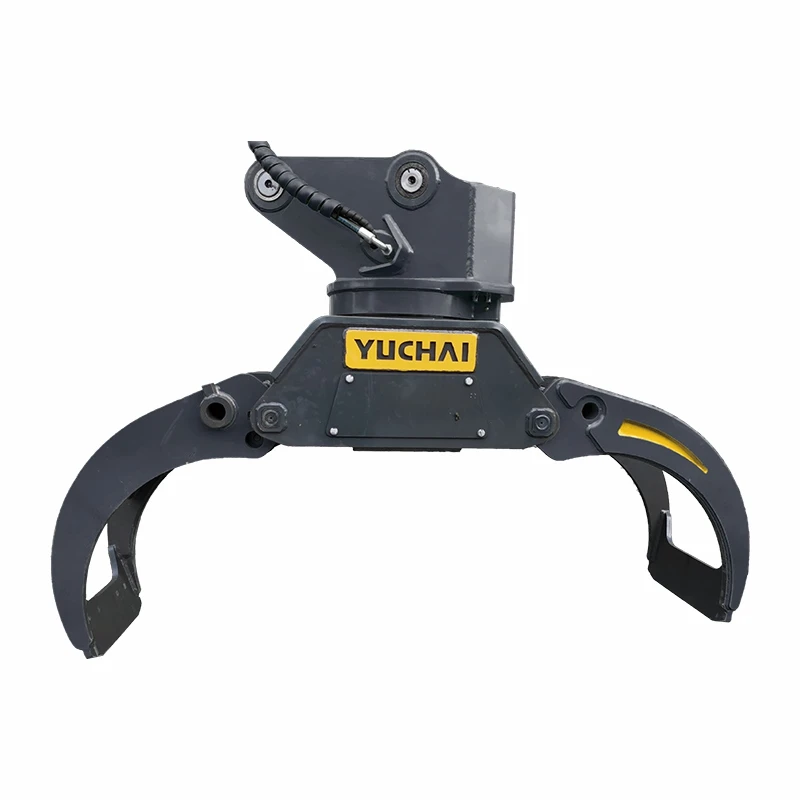

Whether you’re just starting out, looking to expand your current team, or need a heavy-duty unit for big projects, there’s something in the forestry equipment price range that fits your needs. If you’re not sure exactly what you need— maybe you’re trying to figure out if an entry-level grapple like the Yuchai Grapple FC90 is enough, or if a mid-range harvester is what your crew should invest in— hit me up. I’ve worked with all kinds of forestry operators, from small family farms to large commercial logging companies, and I can help you pick gear that’s not just within your budget, but that will make your work easier and more efficient. Don’t hesitate to reach out to our team to chat through your specific project needs, and we can walk you through all the options that work for you.
References:
Forest Equipment Market Report 2024, Global Forest Industry Association
Yuchai Forestry Equipment Product Guide 2023
Small Business Forestry Operation Cost Analysis, U.S. Department of Agriculture
Heavy Machinery Maintenance and Total Cost of Ownership Study, National Equipment Dealers Association