

When you’re running a construction site, mining operation, or any project that moves massive amounts of loose material, your dump truck is more than just a work vehicle—it’s the backbone of daily productivity. I’ve spent years as a dump truck supplier, talking to fleet managers and drivers who’ve learned the hard way that skipping regular maintenance doesn’t just lead to breakdowns; it derails timelines, blows budgets for emergency repairs, and even creates safety hazards on busy job sites. Over that time, I’ve seen firsthand that consistent, proactive care is the difference between a truck that works a full shift and one that’s stuck in the yard when you need it most. Today, I want to break down exactly what it takes to keep a dump truck running at its best, no matter the conditions.
First, let’s start with the chassis—this is the structural core of any dump truck, and it’s where every load, every bump, and every turn puts stress on the whole vehicle. A lot of new customers ask me if they need special care for different chassis types, and the short answer is yes. For example, the Diesel Truck Chassis 6*4 For Dumper/Mixer is specifically built to handle the extreme weight of hauling sand, gravel, or construction debris, so its maintenance needs are a step above standard light-duty chassis. The heavy frame, reinforced suspension, and powerful components of this chassis don’t require fancy tools, but they do need regular checks that are easy to overlook if you’re focused only on the dump bed.

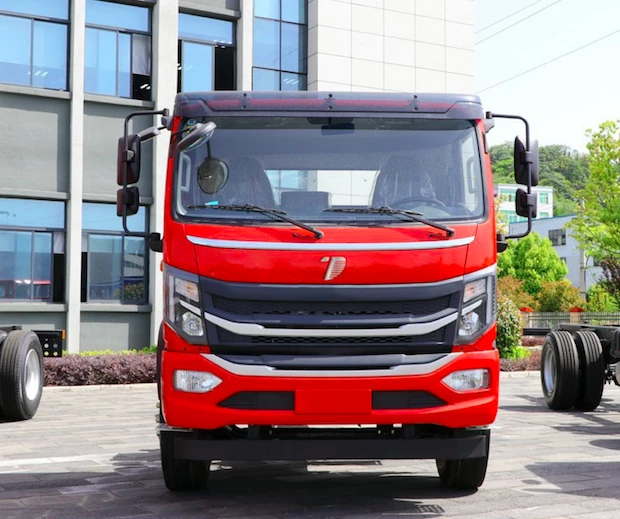
Let’s dive into the foundational maintenance that applies to every dump truck, starting with daily pre-trip inspections. This isn’t just a box to check for drivers—it’s the first line of defense against small issues turning into big problems. Before the truck rolls out at the start of every shift, drivers should walk the entire vehicle, paying close attention to tires, brakes, lights, and the hydraulic system. Tires are especially critical for dump trucks, which often operate on uneven, loose, or rough terrain. Low tire pressure, uneven wear, or punctures from construction debris can cause poor handling, reduced fuel efficiency, and even blowouts mid-job. I always advise fleet managers to keep a detailed log of tire pressure and tread depth for every truck, since replacing a set of tires for a 6*4 chassis is a major investment.
Next, the hydraulic system—this is what actually lifts and lowers the dump bed, so it’s the most vital part for the truck’s primary function. Ignoring hydraulic fluid levels or contamination is a quick path to a truck that can’t unload, bringing the whole worksite to a halt. For hydraulic maintenance, the fluid should be changed every 1,000 to 1,500 operating hours, or sooner if you’re working in dusty, dirty conditions (which most dump truck operators are). When changing the fluid, always use the manufacturer-recommended type; mixing different fluids can cause clogs in hoses and valves, leading to costly repairs. Additionally, check hydraulic hoses for cracks, bulges, or leaks before every shift. A small leak in a high-pressure hose can spray fluid everywhere, damage surrounding parts, and create a slip hazard for workers below. If you notice even a tiny leak, don’t wait to replace the hose—getting a new hose on-site in the middle of a project is almost impossible, and a failed hydraulic hose while the bed is lifted can be dangerous.
Moving up to the engine, which is the workhorse of your dump truck. The engine needs regular oil changes, but not on a generic schedule—heavy-duty diesel engines (the most common for dump trucks, and the ones used in chassis like the Diesel Truck Chassis 4*2 For Tractor and the dumper-specific 6*4 chassis) require oil changes every 250 to 500 operating hours. Why such a wide range? It depends on how hard the truck is working and the environment. If you’re hauling heavy loads up steep grades all day, you’ll need to change the oil more often than a truck that does short, light hauls. It’s also important to check the air filter regularly. Dump trucks kick up a lot of dust and debris, so a clogged air filter restricts airflow to the engine, reduces power, and increases fuel consumption. Replace the air filter every time you change the oil, or when it looks visibly dirty—skipping this step can lead to premature engine wear, which is a repair no fleet wants to deal with. Coolant is another often-overlooked engine component. The engine runs at high temperatures, especially when hauling heavy loads, so coolant prevents overheating and corrosion. Check coolant levels every two weeks, and flush the entire cooling system once a year to remove built-up sediment that can block hoses and cause overheating in the middle of a hot day.
Suspension and braking systems are next—these are non-negotiable for safety, especially on job sites with steep slopes or uneven ground. The suspension supports the heavy load of the dump bed and the material inside, so worn shocks, leaf springs, or bushings can make the truck unstable, increase tire wear, and even lead to accidents. Inspect the suspension every 2,000 operating hours, or after a major load, to check for loose bolts, broken parts, or excessive play in the joints. Brakes are even more critical: dump trucks are heavy, so their braking system has to work extra hard to stop quickly. Check brake pads, rotors, and linings every 500 operating hours, and adjust brake play as needed. Never let brake pads get thinner than ¼ inch—this is a sure way to reduce stopping power, which is dangerous for the driver, other workers, and nearby equipment. If you operate your truck in wet or muddy conditions, you may need to inspect brakes even more often, since mud and water can wear down pads faster.
Now, let’s talk about the dump bed itself, which is the part that actually carries your load. While it’s built to withstand heavy impacts and abrasion, it still needs maintenance to extend its life. After every shift, hose down the inside of the bed to remove leftover material like gravel, mud, or concrete. If you leave material sitting in the bed, it can cause rust, weigh the truck down unnecessarily, and even corrode the bed’s structure over time. If you notice small dents or holes in the bed, get them repaired quickly before rust spreads. For dump trucks that frequently haul abrasive materials like sand or rock, you may want to apply a protective coating to the inside of the bed—this reduces friction, makes unloading easier, and prevents wear that would require replacing the entire bed prematurely.
As a supplier, I’ve also seen a rise in interest in new energy dump trucks, and I want to touch on that because maintenance is a bit different for these models. New energy dump trucks (including the Dump Truck model I offer) have electric motors instead of diesel engines, so their maintenance focuses more on battery health, electrical systems, and cooling for the motor, rather than oil changes. The V6 engine was traditionally a diesel option, but newer energy models use powerful electric drivetrains that deliver the torque needed for heavy hauling, so their maintenance routines are optimized for battery performance. For new energy trucks, it’s important to calibrate the battery management system regularly, keep the battery contacts clean, and check the electric motor’s cooling system to prevent overheating during long hauls. While new energy trucks have fewer moving parts than diesel models, they still require consistent care to avoid downtime, especially for large, expensive batteries.
One thing I always emphasize to customers is the importance of keeping detailed maintenance records. Every truck should have a log that tracks oil changes, hydraulic fluid flushes, tire replacements, brake checks, and any repairs done. Not only does this help you spot patterns—like if a particular truck needs more frequent hydraulic hose replacements—it’s also a huge help when selling or trading in the truck later. Buyers will pay more for a well-documented truck that shows it’s been consistently maintained. Additionally, train your drivers on basic maintenance tasks. A driver who checks tire pressure and reports a small hydraulic leak before it becomes a big problem saves the fleet time and money. I offer on-site training for my customers’ drivers, covering everything from pre-trip inspections to basic troubleshooting, because I know that when the people operating the truck understand maintenance, the whole fleet performs better.
Now, let’s address common mistakes I see dump truck owners make. The first is “running until it breaks”—waiting for a truck to stop working before doing repairs, instead of being proactive. I’ve had customers tell me they saved money by skipping an oil change, but then had an engine fail that cost 10 times more than the oil change would have. The second mistake is using the wrong parts or fluids. Cutting corners on cheap oil or generic filters can damage even the strongest engines. Always use OEM (original equipment manufacturer) parts when repairing your dump truck—they’re designed specifically for your chassis (like the Diesel Light Truck Chassis or dumper-specific 6*4 chassis) and will fit better, last longer, and work more reliably. The third mistake is ignoring the small stuff. A tiny leak in a hydraulic hose or a slightly low tire pressure might not seem like a big deal, but over time, these small issues add up to major breakdowns.
If you’re in the market for a new dump truck or chassis, or if you need advice on maintaining your current fleet, I’m here to help. The right equipment paired with consistent maintenance is the best way to keep your project on track and your costs low. Whether you need a heavy-duty dump truck for mining, a light chassis for smaller construction jobs, or guidance on maintaining your existing equipment, I can connect you with the support and parts you need to keep your trucks running at their best.
References
- Construction Equipment Maintenance Association. (2022). Heavy-Duty Vehicle Maintenance Best Practices.
- International Council on Mining and Metals. (2021). Maintenance Guidelines for Off-Highway Dump Trucks.
- National Highway Traffic Safety Administration. (2020). Safety Standards for Heavy-Duty Brake and Suspension Systems.
- Society of Automotive Engineers. (2023). Hydraulic System Care for Mobile Construction Equipment.