

As a new energy vehicle supplier, I've often been asked if new energy vehicles can be used in desert areas. This is a question that combines my passion for innovation in the automotive industry with the practicalities of real - world applications. Let's dig into this topic and see what the deal is.
First off, let's talk about the advantages of using new energy vehicles in desert areas. One of the biggest perks is environmental friendliness. Deserts are unique ecosystems that are extremely fragile. Traditional vehicles that rely on fossil fuels emit a lot of pollutants. These emissions can have a negative impact on the desert environment, contributing to air pollution and potentially harming local flora and fauna. New energy vehicles, on the other hand, produce little to no tailpipe emissions. This means they are a much greener option for traversing the vast desert landscapes.
Another advantage is cost - efficiency. Gas and diesel prices can be quite volatile, and in remote desert areas, fuel costs can be even higher due to transportation and logistics. New energy vehicles, especially electric ones, can be much cheaper to operate in the long run. You simply need to charge the vehicle, and in many cases, solar power can be a great option for charging in the desert. The sun is abundant in these areas, so with the right solar charging infrastructure, you can keep your vehicle running at a relatively low cost.
Now, let's address the challenges. The extreme temperatures in the desert are a major concern. During the day, it can get extremely hot, often exceeding 50 degrees Celsius (122 degrees Fahrenheit). High temperatures can have a significant impact on the performance and lifespan of new energy vehicle batteries. Batteries are sensitive to heat, and excessive heat can cause them to degrade faster, leading to reduced range and overall performance.
However, modern new energy vehicles are equipped with advanced battery management systems. These systems are designed to regulate the temperature of the battery, keeping it within an optimal operating range. Some vehicles even have active cooling systems that kick in when the temperature rises, helping to protect the battery from overheating.
The lack of charging infrastructure in desert areas is another hurdle. Unlike in urban areas where you can easily find a charging station around every corner, deserts are sparsely populated, and the charging network is virtually non - existent. But this is where innovation comes in. Mobile charging solutions, such as portable chargers and solar - powered charging trailers, can be used to solve this problem. Companies are also exploring the possibility of setting up permanent charging stations along major desert routes, similar to traditional gas stations.
When it comes to the types of new energy vehicles that are suitable for desert areas, my company offers a variety of options. For example, the Sanitation Vehicle is a great choice for maintaining cleanliness in desert settlements or tourist areas. It's an eco - friendly alternative to traditional sanitation vehicles, and with the right battery technology, it can handle the long distances and harsh conditions often found in the desert.
We also have heavy - duty vehicles like the Diesel Truck Chassis 4*2 For Tractor and Diesel Truck Chassis 6*4 For Dumper/Mixer. These vehicles are designed to carry heavy loads, which is essential for construction projects and transportation in desert regions. They can be configured with new energy power systems, providing a more sustainable solution for these high - demand applications.
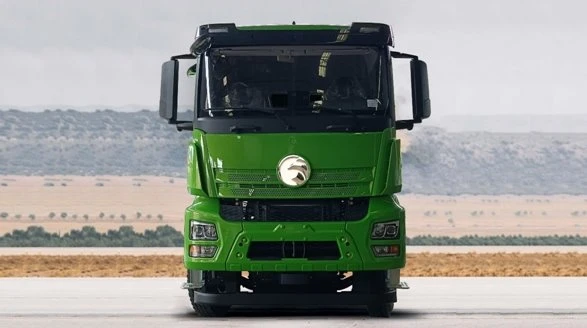

For more light - duty and everyday use, our V7 and V6 models are ideal. They offer good range and performance, and their compact size makes them easy to maneuver in desert terrains.
In addition to the technological aspects, there are also some behavioral and operational changes that need to be considered. When driving a new energy vehicle in the desert, you need to plan your trips carefully. Know the location of your charging points, even if they are mobile or temporary. You should also be mindful of the vehicle's battery level at all times, and avoid pushing the vehicle to its limits in terms of range.
Another important factor is maintenance. The desert environment is full of sand and dust, which can get into the vehicle's components and cause damage if not properly maintained. Regular cleaning and inspection of the vehicle are essential to ensure its longevity and performance.
In conclusion, while there are challenges to using new energy vehicles in desert areas, the potential benefits far outweigh the difficulties. With the right technology, infrastructure, and operational strategies, new energy vehicles can thrive in the desert. As a new energy vehicle supplier, I am committed to providing solutions that are not only environmentally friendly but also practical for use in these extreme environments.
If you're interested in exploring our range of new energy vehicles for your desert - related projects, whether it's for transportation, construction, or sanitation, I encourage you to reach out to us for a procurement discussion. We can work together to find the best vehicle solutions that meet your specific needs and requirements.
References
- Research on the Impact of High - Temperature Environment on Electric Vehicle Batteries, Journal of Automotive Engineering
- Feasibility Study of New Energy Vehicle Charging Infrastructure in Remote Areas, International Journal of Sustainable Transportation